
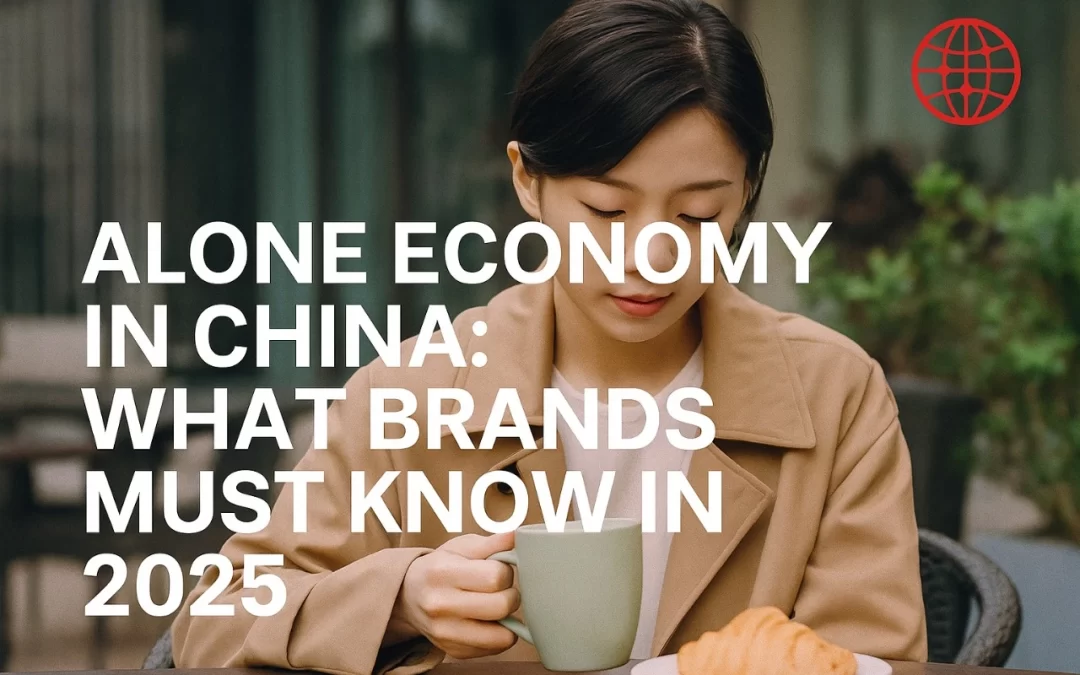
In 2025, an increasing number of Chinese consumers are opting to dine, travel, shop, and even celebrate alone. What was once seen as “lonely” is now empowering. This is the rise of the Alone Economy in China, and it’s reshaping how people spend, express, and engage with brands.
From solo karaoke rooms to single-portion cookware, the market is evolving to serve individuals who value autonomy, self-care, and personal space. And if you think this is a fringe trend, think again. According to recent qualitative and quantitative research by Hub of China, the Alone Economy is becoming a mainstream force, especially among Gen Z, urban professionals, and women in Tier 1 and 2 cities.
What Our Research Reveals
In Q2 2025, Hub of China conducted a hybrid study combining:
- 6 in-depth interviews (IDIs) with Gen Z women living independently in Shanghai and Chengdu
- 2 focus groups exploring solo consumption habits across food, retail, and digital services
- An online survey of 800 respondents aged 20–35 in urban centers
1. Solitude Is Self-Care
Consumers are reframing time alone as restorative, not sad. Solo dining, solo movie nights, and solo travel are acts of independence. Brands that position their products as “companions” in these moments perform better than those that rely on group identity. This shift highlights the importance of the Alone Economy in China in changing consumer priorities.
2. Design for One
There’s high demand for products made for individuals: smaller sizes, compact packaging, and modular services. Whether it’s product testing in China or FMCG market research, brands must adapt SKUs for single-use without compromising quality or style. Understanding the Economy helps brands tailor their offerings precisely.
3. Private But Connected
Interestingly, solo consumers are still highly social just on their terms. They share their “alone time” online, seek community through digital platforms, and value brands that speak to Chinese consumer behavior without judgment or cliché. Tapping into the Alone Economy in China means recognizing this balance of solitude and connection.
Implications for Market Strategy
If you want to tap into this space, consider:
- Using China focus groups to uncover emotional drivers of solo choices
- Running online surveys in China to segment your audience by lifestyle, not just age or income
- Positioning your offering not as a compromise, but a luxury of independence
- Adapting brand research in China to reflect the psychological needs of self-sufficient consumers
And remember: solo consumers are highly intentional in their purchases. They’re curating experiences, not chasing trends.
Conclusion: Celebrate the Solo
The Alone Economy in China isn’t about loneliness. It’s about control, confidence, and conscious consumption. Hub of China’s research makes it clear this is not a passing phase, but a cultural recalibration. Brands that meet solo consumers where they are emotionally, functionally, and respectfully will unlock a loyal, growing segment of the Alone Economy and the retail future.
Call to Action (CTA)
Are you ready to tap into the power of the Alone Economy in China? Connect with Hub of China to access in-depth research and strategies that will help your brand resonate with this fast-growing market segment. Contact us today to learn more!
FAQs
Q1: What is the Alone Economy in China?
A: The Alone Economy in China refers to the growing market trend where individuals prefer to live, consume, and engage solo, focusing on personal independence and self-care.
Q2: Why is the important for brands?
A: It represents a large and growing consumer segment that values products and services designed specifically for solo use and autonomy.
Q3: How can brands adapt to the Alone Economy?
A: By offering smaller, personalized products and engaging consumers with marketing that respects their independence and lifestyle.
Q4: Who drives the Alone Economy in China?
A: Mostly Gen Z, urban professionals, and women in Tier 1 and Tier 2 cities.