
What’s Changing?
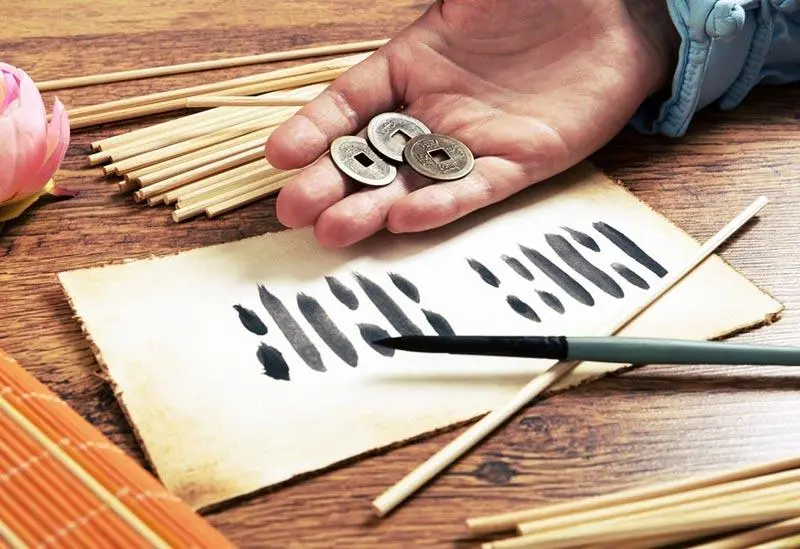
As uncertainty grips China economically, socially, and politically, a quietly growing trend among young people is bringing traditional spiritual practices into everyday life. They are visiting fortune-telling bars, consulting spiritual practitioners, using divination apps, or simply pulling fortune sticks (qiuqian), seeking emotional comfort, mental relief, and identity anchoring.
This isn’t mainstream religiosity; it is a spiritual economy: informal, aesthetic, therapeutic, and private. People treat mysticism not just as a belief, but as a ritual to manage stress, connect with cultural roots, and create meaning in fast-paced modern existence. Many young urban Chinese are increasingly turning to traditional divination as a practical way to manage everyday anxiety.
Table of Contents
What We’re Seeing on the Ground?
Insights & Implications for Brands and Creators
Why It’s Appearing Now?
Emotional Fatigue
Jobs, housing costs, competition, and life pressure mean many young urban Chinese feel anxiety and uncertainty. Traditional spiritual practices offer modes of reflection and solace when therapy or conventional outlets feel out of reach.
Cultural Resonance
These practices draw on Chinese heritage, ancestral worship, Taoism, Buddhism, and folk rituals. They feel more “ours” than imported wellness trends. Nostalgia and cultural pride play a strong role.
Social and Aesthetic Spaces
Fortune-telling bars or tea-and-spirituality spaces are often designed with ambiance in mind, not dim, smoky, or cloistered, but visually appealing, Instagram-friendly, offering craft drinks, artful décor. These venues make the ritual feel immersive, safe, and refined.
Digital Hybridity
Some of this spiritual seeking moves online: apps, social media, Live sessions, sharing of fortune poems, and horoscopes. The digital layer allows peer witnessing, low-cost access, and some anonymity. Traditional divination apps are particularly popular as they allow young people to maintain private, reflective moments anytime.
What We’re Seeing on the Ground?
In Beijing, bars that combine cocktails with qiuqian or traditional divination have been drawing steady early evening crowds of 20- and 30-somethings. People linger for conversation, comfort, and community.
On social media platforms like Xiaohongshu and Douyin, posts about fortune telling, spiritual rituals, and “daily guidance” are getting traction not necessarily for firm religious belief, but for introspective reflection and ritual. According to Hub of China, posts about fortune telling, spiritual rituals, and daily guidance are gaining traction
Content creators who blend traditional forms of divination with modern sensibilities (aesthetic visuals, tasteful design, poetic language) are attracting followings seeking both calm and connection.
Insights & Implications for Brands and Creators
1. Emotional Safety Sells
Consumer research shows that people are open to experiences that help them feel emotionally safe or grounded. Brands offering rituals, routines, or ‘pause moments’ may tap into this trend.
2. Respectful Cultural Storytelling Matters
These are heritage practices. Brands that engage must do so with respect—not appropriation. Authenticity (genuine knowledge of tradition) is valued over novelty.
3. Aesthetic Design of Spiritual-Adjacent Experiences
Spaces, packaging, visuals, everything matters. Fortune-telling bars succeed not just because of the spiritual content but because of the ambiance. Brands in wellness, skincare, tea, and décor can borrow this aesthetic.
4. Low-Barrier Entry Points
Digital content (short videos, spiritual tips, mini-readings), live sessions, and “fortune poems” can serve as calls to a richer, offline ritual.
5. Community & Anonymity
People want shared experience but also privacy. Spaces and platforms that balance community feel with safe individual exploration will resonate.
Risks & Tensions
Regulatory Sensitivity
Spiritual practices can be controversial. Practitioners and venues usually keep things framed as culture or tradition rather than religious preaching.
Authenticity Pressure
Audiences will notice if rituals are commodified or inauthentic. Trust can be lost quickly.
Psychological Risk
Over-emphasis on divination or fortune again and again can become anxiety-reinforcing rather than soothing. Brand messaging needs balance.
Final Thoughts
This spiritual economy is likely to grow through late 2025 and into 2026 among Gen Z and younger Millennials in larger Chinese cities. It may also spread into “wellness tourism,” tea culture, lifestyle offerings tied to ritual, and even product design that reflects spiritual calm (packaging, scent, ritual form). Brands that succeed in this niche will be those able to blend tradition with design, ritual with everyday practicality, and emotion with authenticity, supporting Chinese Youth Turning to Traditional Divination for Relief.
Contact us today to learn more about how to engage with this emerging trend.
FAQs
Q1: Is this trend religious or spiritual?
Mostly spiritual or ritualistic rather than formally religious. Many participants see it as an emotional or cultural expression rather than doctrinal worship.
Q2: Who is participating the most?
Urban young people, 20–35 year olds, often those navigating work stress, housing uncertainty, or looking for meaning in everyday routines.
Q3: What kinds of products or services could align with this trend?
Tea salons, spiritual audio apps, ritual kits (fortune sticks, incense), “pause moment” wellness products, meditative décor, and ambient spaces.
Q4: How are apps and digital platforms supporting this trend?
Apps allow users to access fortune readings, ritual guidance, and meditative exercises anytime, supporting private, reflective experiences with traditional divination.
Q5: Why are young Chinese drawn to traditional spiritual practices?
They offer emotional relief, cultural connection, and structured reflection, helping manage stress while staying connected to heritage through traditional divination rituals.