
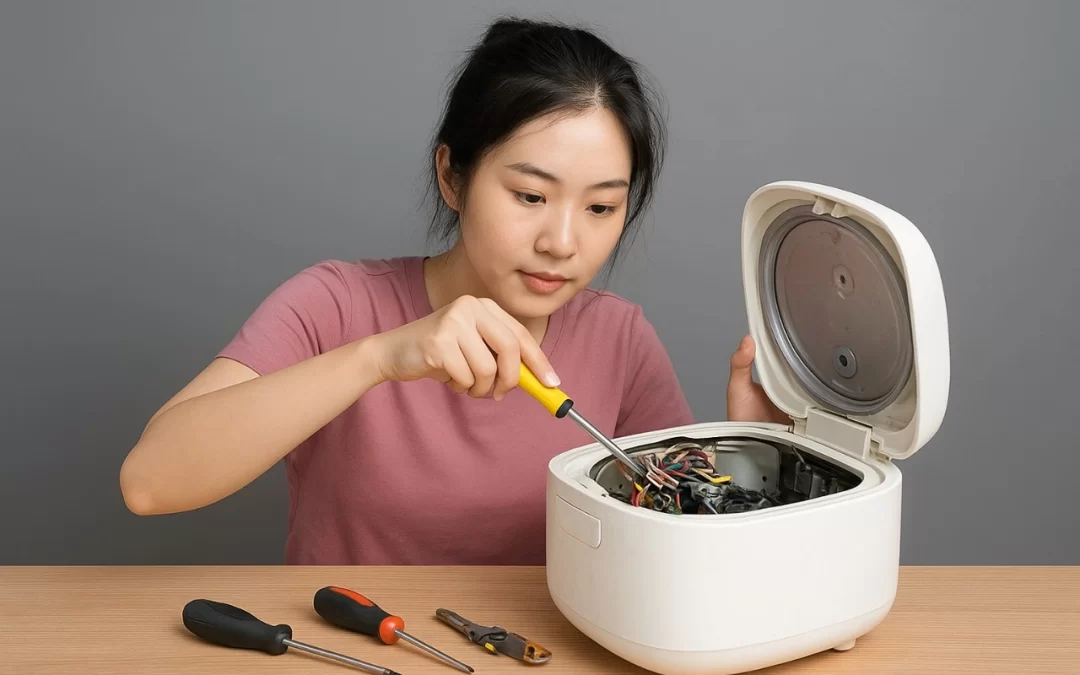
During our latest focus groups in Shanghai and Chengdu, one unexpected behaviour surfaced repeatedly. When asked what they would do if an appliance broke, several participants said they would now try to repair it first. This was not just older participants. It was voiced equally by 26 to 35-year-olds. Two years ago, the immediate answer was always replace. That reflex has changed quietly but significantly, signaling China’s return of repair among Chinese consumers.
This is not driven by environmental messaging. When we probed further, nobody mentioned sustainability or responsibility. The language they used was far more practical. Repair is now seen as a way to preserve control. Replacing a product is a cost event. Repair is a decision. That distinction matters.
Table of Contents
What Does Repair Now Represent?
A Shift in the Expectation of Brands
Why Is This Not About Saving Money?
What does repair now represent?
Repair was described as a way to make the product work for them again, rather than being forced back into the market. In their minds, it was not nostalgia or frugality. It was strategic resource management. If value can be extracted further from the object, they will try first before paying the full replacement cost. This practical approach reflects the growing China’s return of repair mindset among consumers.
This mindset extends beyond electronics. In multiple conversations, we heard examples related to air fryers, smart mirrors, digital rice cookers, and even expensive sneakers. The decision is situational, but the mindset is consistent. Do not surrender the decision too quickly. The market should not dictate the timing.
A shift in the expectation of brands
In the past, a brand offering repair or refill options was seen as a niche sustainability gesture. Now, participants described it as intelligent and respectful. One respondent referenced Dyson’s structured repair policy not as eco-friendly but as reassuring. It meant the brand understood the lifetime of ownership, not just the moment of purchase.
Several participants also said that when two products are priced similarly, the one with a visible longevity plan is chosen immediately. They want the sense that the brand will stay available beyond the transaction.
Why is this not about saving money?
Interestingly, none of the participants positioned repair as cheaper. The savings were acknowledged but rarely mentioned first. What mattered more was not being forced to restart the consumers research and decision process. Replacement is energy-heavy. Repair is effort-light. The emotional relief came from not triggering a full decision cycle again. The growing China’s return of repair mindset shows that consumers value control and continuity over simple cost savings.
We also observed that repair thinking is not a value signal. Participants still make premium choices where it matters to them. But the meaning of premium is shifting. Premium is now about endurance and optionality, the ability to maintain or upgrade, not discard.
Opportunities for brands
Brands that provide tiered ownership options may win long-term trust. For example, offering modular parts, visible repair pricing, or optional reconditioning at year two. Refill packaging in beauty follows the same logic. It is not about being eco-responsible. It is about the user continuing ownership without starting from zero.
This mentality is deeply compatible with how Chinese consumers plan for uncertainty in 2025. It is not anti-consumption. It is anti-interruption. Continuity has become a form of luxury.
Final Thoughts
When asked directly if repair makes them feel frugal, participants rejected the framing. One said clearly, “It makes me feel in control.” This sentiment captures the essence of China’s return of repair and may define the next consumer era more accurately than any macro forecast. Contact us today to learn more about embracing this mindset.
FAQs
- What is the “China’s Return of Repair” in China?
The “China’s Return of Repair” refers to the growing tendency among Chinese consumers to repair products rather than replace them immediately, prioritizing control, effort efficiency, and long-term ownership. - Which products are most commonly repaired by Chinese consumers?
Electronics like air fryers, smart mirrors, and digital rice cookers, as well as premium sneakers and other durable goods, are frequently repaired instead of replaced. - Is repair driven by sustainability concerns?
No. While it may have environmental benefits, consumers are motivated primarily by practicality, control, and emotional relief rather than eco-consciousness. - How are brands responding to increased repair demand?
Brands offering modular parts, structured repair policies, or optional reconditioning are gaining trust, signaling respect for product longevity and consumer control. - Does repairing products save money for consumers?
Saving money is secondary. The main value lies in avoiding the energy and stress of restarting the replacement search, maintaining continuity, and having control over purchases.