
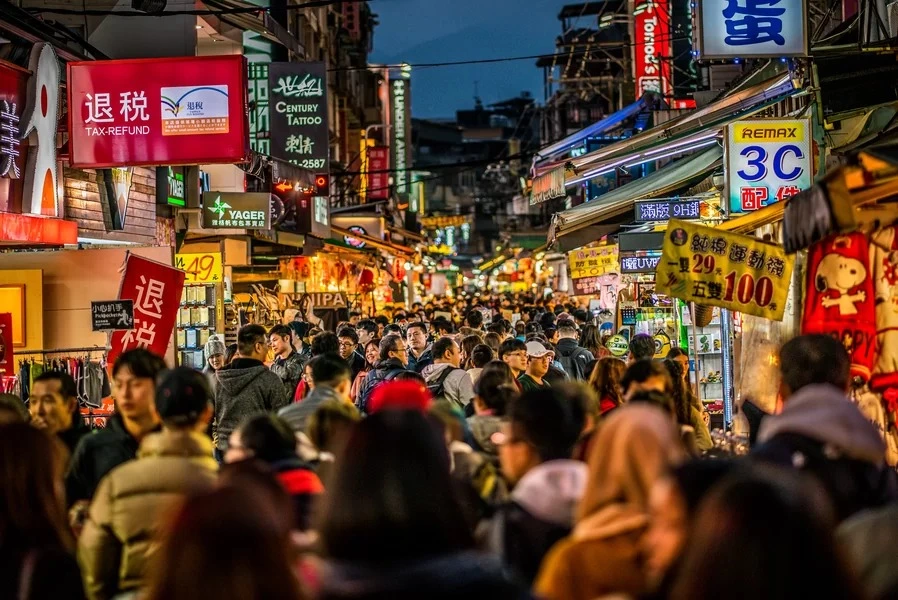
Across cities like Changsha, Xi’an, and Chongqing, night markets are no longer just places to eat. They are becoming Emotional Spots for Young Chinese, where consumers actively process emotion, identity, and social belonging. This is not nostalgia, and it is not tourism. It is a reworking of public space into something closer to an emotional release valve.
In recent Hub of China focus groups with consumers aged 20 to 35, night markets were rarely described in terms of food quality or price. Instead, participants talked about how these spaces made them feel. One participant in Xi’an said coming here resets me more than staying at home scrolling. Another in Changsha described night markets as the only place where life feels unscripted. These Emotional Spots for Young Chinese are increasingly valued for how they make people feel.
Table of Contents
These spaces are no longer transactional
What does this mean for brands?
These spaces are no longer transactional
The food itself is often secondary. Consumers move through stalls slowly, sharing snacks, people watching, and listening to music from portable speakers or small performers. Many told us they deliberately avoid buying full meals. They want to graze, not commit.
This behaviour is intentional. Young consumers are resisting structured experiences. Restaurants require decisions, timing, and social roles. Night markets offer freedom. You can leave at any moment, eat alone without explanation. You can linger without purpose. These casual spaces are becoming recognised as Emotional Spots for Young Chinese, where spontaneity matters more than efficiency.
In Chongqing, several participants described night markets as emotionally neutral territory. No expectations from work, family, or dating. Just presence. One respondent said it feels like being off duty from being yourself.
Why is it happening now?
This shift reflects a bigger change in how young Chinese relate to leisure. In earlier years, free time was aspirational and productive. It needed to lead somewhere. Today, many consumers are tired of optimisation. They are seeking spaces where nothing needs to be improved. Night markets work because they are low-stakes and socially permissive. These are truly Emotional Spots for Young Chinese, offering relaxation without pressure.
There is no pressure to document, no pressure to curate. Even when people film, it feels casual rather than performative. Hub of China research shows that many young consumers now separate relaxation from aspiration. High-end experiences are still valued, but they serve a different emotional function. Night markets serve as decompression zones, especially for those living in dense urban environments.
Another factor is economic mood. When long-term certainty feels distant, short-term sensory satisfaction becomes more important. Night markets deliver immediate reward without long-term cost.
What does this mean for brands?
Brands looking at night markets purely as sales channels are missing the point. These spaces are not about efficiency. They are about atmosphere. Products that do well here are those that feel playful, temporary, and slightly indulgent.
In our consumer research, pop-ups that encouraged lingering rather than pushing volume performed better in terms of brand recall. Consumers remembered how a stall made them feel more than what they bought. This also explains why experimental formats thrive here. Limited flavours, odd combinations, small batch items. Consumers are open to trying because the context removes risk. If it disappoints, it is part of the experience.
For brands entering China, night markets offer insight rather than scale. They reveal how consumers want to exist in public when no one is asking anything of them.
Final Thoughts
This is not about food. It is about space. Young Chinese consumers are quietly reclaiming parts of the city for emotional breathing room. Night markets have become an informal infrastructure for stress release, social flexibility, and momentary freedom. They are among the most prominent Emotional Spots for Young Chinese in urban areas today.
The brands that understand this will stop trying to dominate attention and start designing for coexistence. In China today, the most powerful consumer spaces are often the ones that do not demand to be taken seriously. For more insights, contact us today to discuss your China strategy and research needs.
FAQs
Q1: Why are night markets important for young Chinese today?
They provide spaces to relax, enjoy social freedom, and experience emotions without pressure.
Q2: How do young people spend time in night markets?
They graze snacks, watch people, listen to music, and linger freely. These are Emotional Spots for Young Chinese.
Q3: Why are night markets different from restaurants?
Restaurants are structured and timed; night markets are casual, free, and low-stakes.
Q4: What can brands learn from night markets?
Brands can experiment with playful products, pop-ups, and experiences that leave an emotional impact.
Q5: How do night markets reflect urban culture?
They let young Chinese use public spaces for emotions, socialising, and freedom.