
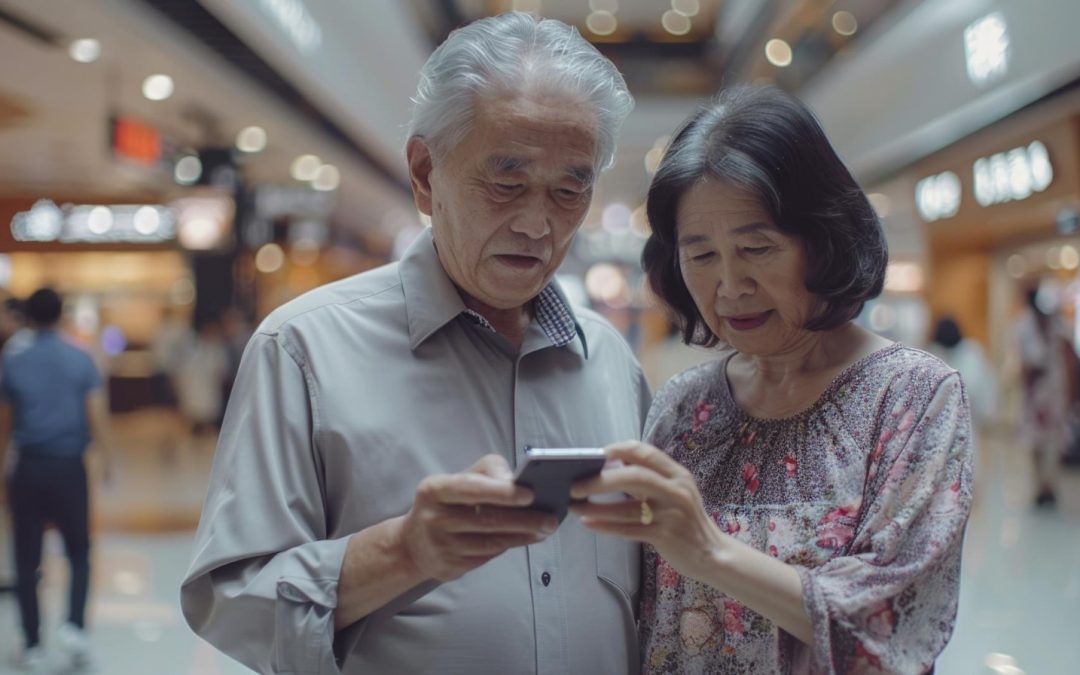
For decades, global brands looking at China have obsessed over Gen Z and the “She Economy.” But as we move through 2026, a more powerful, wealthier, and tech-savvy demographic has taken center stage.
The China Silver Economy (银发经济) is no longer a niche segment or a policy burden; it is the definitive growth engine for the next decade. With over 310 million citizens aged 60 and above and the market projected to reach 30 trillion yuan ($4.2 trillion) by 2035, the “New Elderly” are rewriting the rules of retirement.
This guide provides deep-dive research into the 2026 consumer landscape, backed by Hub of China’s latest market data, to help your brand outpace the competition in this golden era.
Table of Contents
The Rise of the “New Elderly”: Beyond Frugality
Health 2.0: From Treatment to Longevity
The Digital Silver Generation: 2026 Connectivity
Market Opportunities in Senior Living and Tourism
The Rise of the “New Elderly”: Beyond Frugality
The retirees of 2026 are fundamentally different from previous generations. Born between 1950 and 1970, these consumers came of age during China’s reform and opening-up period. They are often the primary beneficiaries of the country’s economic miracle, holding significant property wealth and stable pensions.
As a result, China’s Silver Economy is increasingly shaped by seniors who prioritize lifestyle, independence, and quality experiences over traditional frugality, a shift increasingly highlighted through alternative data insights.
Shifting Mindsets: From Grandchild-Care to Self-Care
Traditionally, Chinese seniors were viewed as frugal savers who spent their time and money solely on their grandchildren. Our 2026 research indicates a radical departure:
- 72% of urban seniors prioritize spending on personal wellness and leisure over providing financial support to adult children.
- Self-Image is Paramount: There is a surge in demand for anti-aging skincare, fashion, and medical aesthetics among retirees seeking to “age gracefully.”
Health 2.0: From Treatment to Longevity
In 2026, “health” in China is being redefined as active longevity. The focus has moved from merely treating chronic illness to optimized prevention and “biohacking” for the elderly.
The shift toward preventive health solutions is rapidly expanding opportunities across China’s Silver Economy, particularly in wellness technology, supplements, and functional foods, according to recent consumer research.
The TCM-Modern Science Hybrid
A key trend for 2026 is the convergence of Traditional Chinese Medicine (TCM) and modern biotechnology.
- Functional Luxury Foods: Ingredients like bird’s nest, ginseng, and goji berries are being reformulated into convenient, science-backed snacks and drinks.
- Precision Nutrition: Senior consumers are increasingly using wearable devices to track micronutrient deficiencies, driving 28% year-on-year growth in customized vitamin and supplement plans.
Key Takeaway: Brands that can provide “scientific substantiation” for traditional ingredients will win the most trust among the skeptical, high-spending urban elite.
The Digital Silver Generation: 2026 Connectivity
Think the elderly are offline? Think again. By mid-2025, China’s generative AI user base had reached 515 million, with seniors among the fastest-growing adopters.
Platforms of Choice
- Xiaohongshu (Rednote): Following a 3.4 billion yuan “senior-friendly” investment in 2024, the platform has become a hub for silver-haired influencers (银发网红) who share travel tips and fashion advice.
- Social E-commerce: Senior users spend an average of 4+ hours daily online, often participating in group-buying schemes on Pinduoduo or following livestreamers who offer detailed product education, an important insight for brands planning China market entry.
Inclusive Design as a Competitive Edge
In 2026, “Elder Mode” is no longer just about larger fonts. It’s about voice-first interfaces and AI-driven navigation that eliminate the “digital divide.”
Market Opportunities in Senior Living and Tourism
The infrastructure of aging is changing. With 90% of Chinese seniors preferring to age at home (9073 model), the demand for “smart home” retrofitting is exploding.
2026 Industry Forecasts:
- Rapid growth in smart healthcare devices designed for seniors.
- Expansion of senior-focused tourism packages offering slower travel and wellness experiences.
- Increasing investment in age-friendly housing and home automation systems.
These developments are further accelerating the growth of the China Silver Economy, especially in lifestyle services, technology, and healthcare innovation.
Conclusion:
The 2026 Silver Economy represents the most significant structural shift in the Chinese market. Success requires moving past stereotypes of “frugal seniors” and recognizing a diverse, digitally active, and health-obsessed demographic that views retirement as a second beginning. The continued expansion of China’s Silver Economy highlights a future where older consumers are not just participants but key drivers of innovation, consumption, and cultural trends. To win, brands must lead with authenticity, accessibility, and authority. Don’t just sell a product; sell a lifestyle that empowers the “New Elderly” to maintain their independence and vitality.
Contact us today to explore how your brand can succeed in China’s rapidly evolving consumer market.
FAQs
Q1. What is the China Silver Economy?
China’s Silver Economy refers to the economic ecosystem built around consumers aged 60 and above, including healthcare, technology, tourism, financial services, and lifestyle products.
Q2. Why is the silver economy growing so fast in China?
China’s rapidly aging population, rising wealth among retirees, and improved digital literacy among seniors are major drivers of this growth.
Q3. How big is China’s silver economy expected to become?
Industry projections estimate the market could reach 30 trillion yuan ($4.2 trillion) by 2035, making it one of the largest consumer sectors in China.
Q4. What industries benefit most from the silver economy?
Healthcare, wellness, senior tourism, smart home technology, financial services, and functional foods are some of the fastest-growing sectors.
Q5. Are Chinese seniors active online shoppers?
Yes, many seniors spend several hours online daily, engaging with social commerce platforms, livestream shopping, and digital communities.