
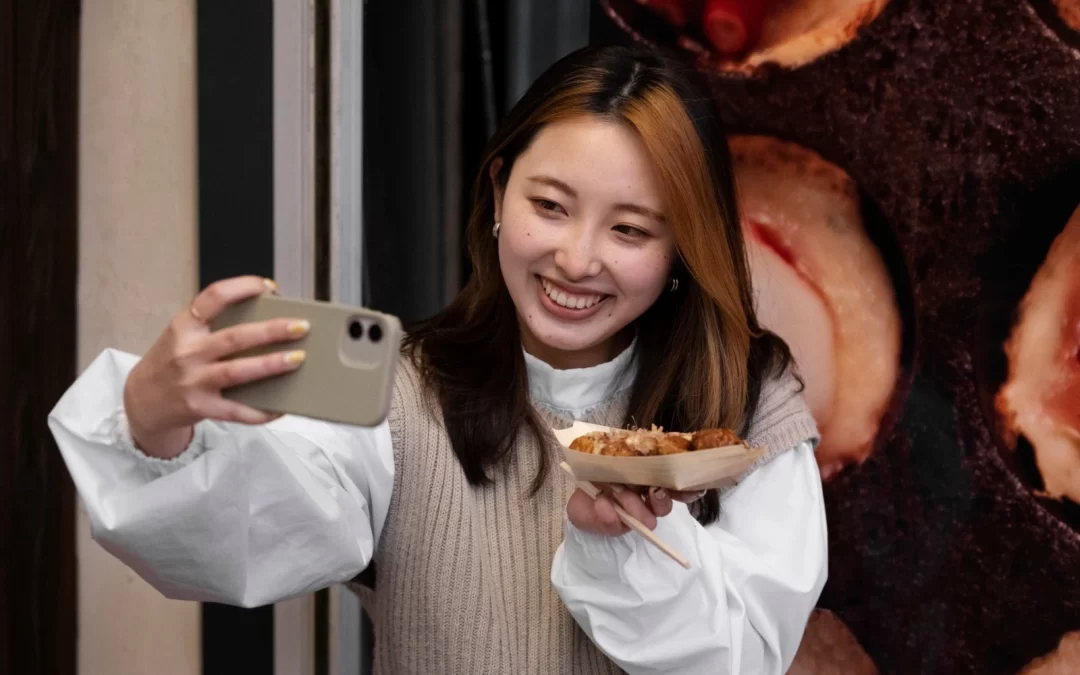
In 2026, the definition of a “luxury purchase” in China has moved from the closet to the kitchen table. As The Economist recently noted during the 2026 Spring Festival, the act of eating has become one of the primary ways Chinese consumers “obtain happiness” in an increasingly complex economic environment. This shift has seismic implications for brands, particularly those leveraging RED Food Influencer Marketing in China to reach the sophisticated urban middle class.
For the modern Chinese consumer, a bowl of “swallow skin” wontons in Fuzhou or a bottle of artisanal kombucha It isn’t just sustenance; it’s a curated experience, a health statement, and a piece of social currency.
Table of Contents
The “Happiness Economy”: Food as a Non-Negotiable Luxury
Why RED Influencer Marketing is Essential for the “Foodie” Wave?
Secondary Trends: Regional Roots and Modern Fusion
Strategic Recommendations for Brands in 2026
Conclusion: Tapping into the Heart of Chinese Happiness
The “Happiness Economy”: Food as a Non-Negotiable Luxury
While spending on traditional luxury goods has become more pragmatic, the “Food & Beverage” (F&B) sector is witnessing a “premiumization” surge.
Hub of China Research Insight: Our Q1 2026 consumer sentiment report reveals a fascinating trend: 84% of Tier 1 city residents consider ‘High-Quality Dining and Organic Ingredients’ as their top discretionary spending priority, outranking apparel and consumer electronics market analysis.
The “Cheesecake Index”: We’ve observed that consumers are willing to pay a 300% markup for food items that offer a unique cultural narrative or a “fusion” of traditional and modern tastes (e.g., the sweet-potato starch and pounded pork wontons mentioned by The Economist). This shift has created powerful opportunities for brands using RED Food Influencer Marketing in China, as food experiences are now closely tied to lifestyle identity and social status.
Why RED Influencer Marketing is Essential for the “Foodie” Wave?
If you want to influence what China eats in 2026, you must win on Xiaohongshu (RED). Unlike the high-energy, impulse-driven nature of Douyin, RED influencer marketing thrives on “lifestyle aesthetics” and deep-dive recommendations.
The Rise of the “Gourmet Curator” In 2026, the most successful RED influencers aren’t just eating on camera; they are storytelling. They focus on:
Provenance: Where was this kombucha fermented?
Craftsmanship: The history behind the “swallow skin” technique.
Health Synergy: How this specific meal fits into a “Quiet Vitality” lifestyle.
Search Intent: “Inspiration + Validation.” When users search for food on RED, their intent is twofold: to find the next “hidden gem” restaurant and to validate that the brand aligns with their personal identity. This is exactly why RED food influencer marketing in China has become a powerful strategy for food and beverage brands targeting young urban consumers in the Chinese market entry.
Secondary Trends: Regional Roots and Modern Fusion
The Economist highlighted the regrouping of families during Spring Festival, but the 2026 trend goes deeper into regional pride.
The “New Chinese Style” (Xin Zhong Shi) in F&B
Influencers are moving away from purely Western aesthetics. The 2026 “Viral” aesthetic on RED combines the following:
- Local Heritage: Hyper-regional dishes (like Fuzhou specialty snacks).
- Global Sophistication: Serving those traditional dishes with modern pairings, like kombucha or specialty coffee.
RED influencer marketing campaigns that highlight this ‘East-meets-West’ fusion are seeing 40% higher engagement rates compared to purely international food concepts, according to HoC Data Consumer Research.
Strategic Recommendations for Brands in 2026
To capitalize on the food-centric happiness economy, brands should follow this framework:
Audit Your “Shareability”: In 2026, if a food product isn’t “camera-ready” for a RED carousel, it doesn’t exist for the Gen Z consumer.
Leverage KOCs for Authenticity: Use a high volume of Key Opinion Consumers to document their “real” family gatherings. The Economist noted that people “regroup and regather”; your brand should be the centerpiece of that emotional connection.
Focus on the “Why,” Not Just the “What”: Don’t just market the taste. Market the “happiness” and the cultural significance. This approach is especially effective when executed through RED Food Influencer Marketing in China. Storytelling here drives consumer trust and engagement.
Conclusion: Tapping into the Heart of Chinese Happiness
Food in China is no longer just a 19th-century test of Engel’s Law (which suggests that as income rises, the proportion of income spent on food falls). Instead, it is a 21st-century testament to a society finding joy and identity through the palate. Through strategic RED food influencer marketing in China, brands can embed themselves into these moments of happiness and cultural connection. Is your brand ready to become China’s next viral taste?
Contact Hub of China today to discover the right influencers and strategies for your 2026 food marketing campaign.
FAQs
Q1. What is RED influencer marketing?
RED influencer marketing is the promotion of products through influencers on Xiaohongshu (RED), a Chinese lifestyle and social commerce platform known for product discovery and authentic recommendations.
Q2. Why is food becoming a status symbol in China?
Food is increasingly viewed as a lifestyle and wellness experience. Premium ingredients, artisanal drinks, and unique dining experiences allow consumers to express identity and social status.
Q3. Why is Xiaohongshu important for food brands?
Xiaohongshu users actively search for restaurant reviews, food trends, and lifestyle recommendations, making it a powerful platform for food discovery and brand storytelling.
Q4. What role do influencers play in China’s food trends?
Influencers act as “gourmet curators,” sharing the origin, story, and cultural significance of food products, which helps build trust and influence purchasing decisions.
Q5. How can brands succeed with RED influencer marketing?
Brands should focus on authentic storytelling, visually appealing products, regional cultural narratives, and collaborations with both influencers and Key Opinion Consumers (KOCs).