
What’s changing
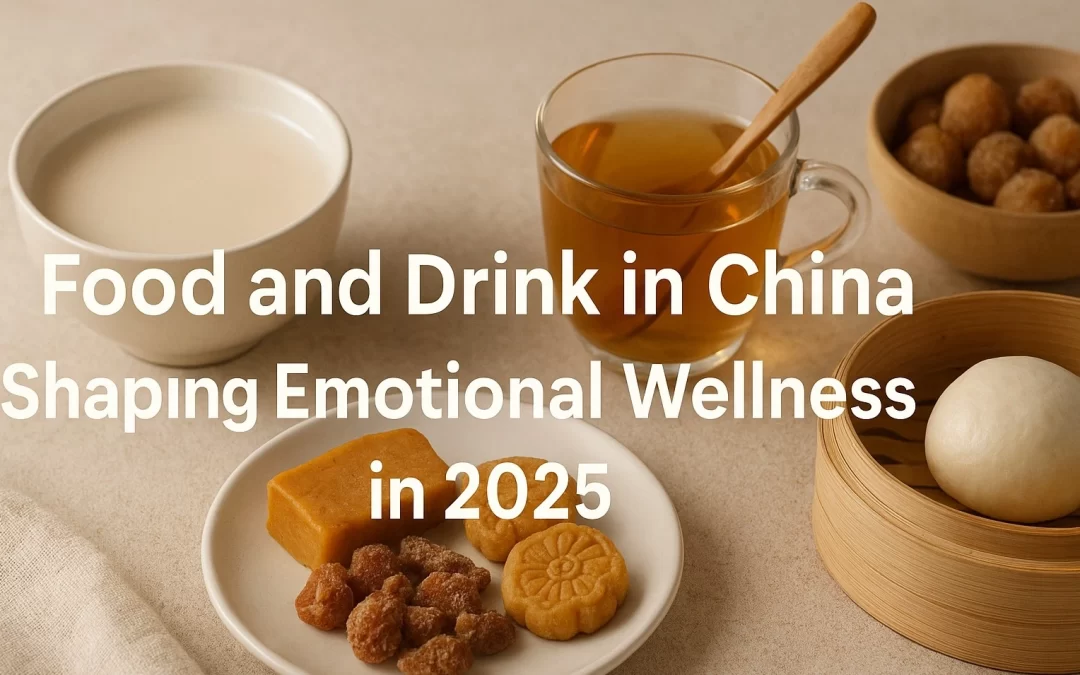
In 2025, the choices of food and drinks in China will focus less on novelty and more on comfort, nostalgia, and wellness. Consumers want products that ground them in daily life. Hub of China research shows people now see eating and drinking as small acts of emotional care to balance stress, uncertainty, and fast-paced living.
Why it’s happening
- Emotional top-ups
In recent fieldwork, participants described choosing snacks or drinks not because they were hungry, but because “it makes me feel calmer” or “it’s a little reward at work.” These micro-moments of comfort are shaping buying behaviour. - Nostalgia and familiarity
Hub of China’s research with young urban professionals found strong attachment to flavours linked to childhood soy milk, hawthorn, and mung bean desserts. In a crowded market, familiarity feels more trustworthy than constant innovation. - Health and balance
Food and beverages are also a way to manage wellness. Consumers are attracted to products with functional benefits (reduced sugar, added vitamins, calming herbs) but only if taste delivers comfort at the same time. - Cultural identity
Local ingredients and Chinese traditions are resurfacing in packaged foods. One Guangzhou group described buying herbal teas “because it feels part of who we are,” a blend of health and identity.
What we’re seeing
- Rise of “healing drinks”: Teas, herbal blends, and low-caffeine options are marketed as gentle daily resets.
- Comfort foods modernised: Traditional flavours are re-packaged in convenient, on-the-go formats, hawthorn snacks in resealable pouches, soy desserts in portable cups.
- Emotional marketing: Campaigns that highlight calmness, family memory, or small daily joys resonate more than flashy slogans.
Emerging Trends in Food and Drinks in China
| Trend | Example Products | Consumer Appeal |
| Healing Drinks | Teas, herbal blends, low-caffeine drinks | Daily resets, calmness, stress relief |
| Comfort Foods Modernised | Hawthorn snacks, soy desserts, portable packs | Familiar taste with modern convenience |
| Emotional Marketing | Campaigns on calmness, family, and small joys | Builds trust and emotional connection |
What it means for brands
- Anchor innovation in the familiar: New flavours succeed when they build on known tastes or rituals.
- Balance function and comfort: Health benefits are attractive, but they must not come at the cost of taste or indulgence.
- Tell cultural stories carefully: Products that connect to Chinese traditions or daily life feel authentic when done subtly; overt exploitation risks backlash.
- Design for the moment: Portable packs for office use, soothing branding for bedtime snacks format and timing matter as much as flavour.
Risks to watch
- Too much “functional” positioning can feel clinical, undermining comfort appeal.
- Overuse of nostalgia without updating formats risks being seen as dated.
- Consumers are sceptical of exaggerated health claims; trust depends on transparency.
Outlook
Market research in China shows that food and drinks in China are now central to the emotional economy. Hub of China expects this trend to grow into 2026, with emotional cues such as comfort, nostalgia, and calm becoming key to product development and marketing. The brands that succeed will be those that balance emotional storytelling with consistent quality, cultural sensitivity, and market sizing in China.
What Brands Should Do Next
Brands in 2025 should focus on comfort, wellness, and culture. Invest in China’s market and build food and drink products in China that mix taste, health, and tradition. The China food and drink market is shifting to authenticity, so act now to stay ahead.
Frequently Asked Questions
- Why are food and drinks in China linked to wellness in 2025?
Because people thought it was a small act of comfort and stress relief, not just meals. - What role does nostalgia play in the China food and drink market?
Familiar childhood flavors like soy milk or hawthorn snacks feel safer than new experiments. - Are Chinese consumers interested in healthy options?
Yes, but only if taste still delivers comfort. - How does culture shape food and drink in China?
Local ingredients and traditions, such as herbal teas, connect food to cultural identity. - What should brands focus on in the China food and drink market?
Blend comfort, health, and tradition while keeping products authentic and relatable.