
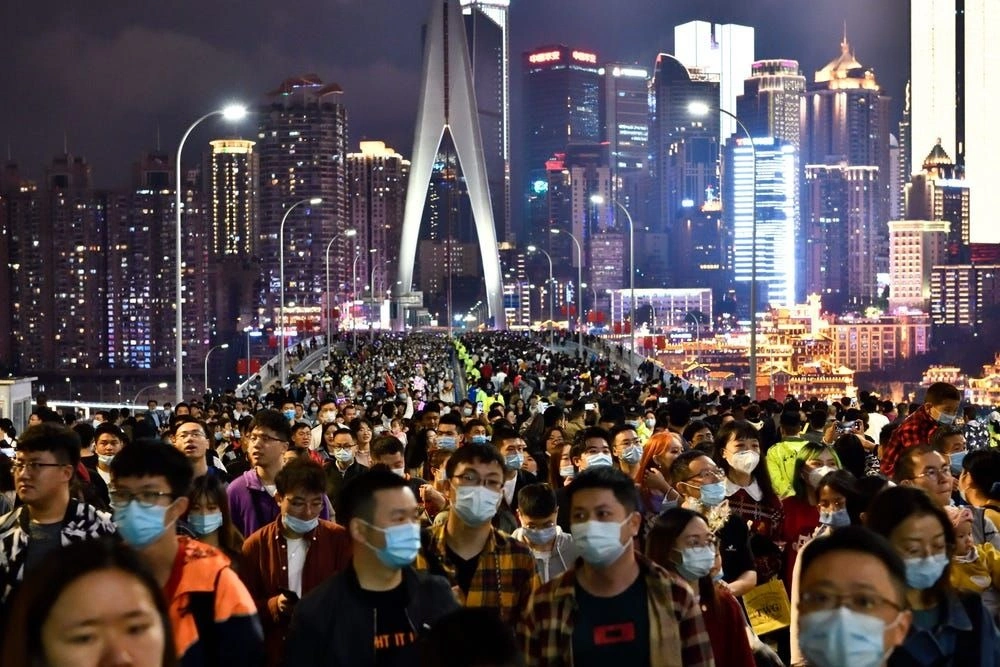
In the early 2000s, global cities were known for diversity, openness, and international exchange. Places like London, New York, and Hong Kong brought together people, languages, and business from all over the world. For a time, China’s mega cities seemed to be heading in the same direction.
But today, things look different. Shanghai, Beijing, Chengdu, and Shenzhen are powerful and advanced. They play a big role in global trade and technology. However, daily life in these cities is strongly shaped by Chinese culture, media, and platforms. Instead of copying Western global cities, China’s Mega Cities are creating their own style of growth.
Inside China’s Urban Transformation
Research by the Hub of China showed that most young professionals in Shanghai and Shenzhen see their cities as connected to the world but focused on local life. They welcome global ideas but prefer apps, brands, and entertainment that feel Chinese.
Language makes a big difference. Mandarin is used everywhere offline and online. Even people working in international industries mostly use Chinese apps and networks. These cities are global in trade but local in culture and lifestyle.
Chinese Campus Lifestyle: How Universities Are Transforming
The Role of Digital Infrastructure
This change is strongly driven by digital life. Young people in China use mobile-first systems built around local super apps for shopping, payments, entertainment, and education. These apps work best for Chinese users and are hard for outsiders to access.
In cities like Chengdu and Wuhan, most young people don’t look for foreign media. They follow Chinese influencers, use local video platforms, and consume national news. Even with VPNs, they feel no strong need to explore international content. These habits are now shaping China’s Mega Cities.
Why This Matters for Brands and Policymakers
Foreign companies cannot treat China’s Mega Cities as copies of New York or Tokyo. Their growth comes from local innovation and large-scale domestic markets.
To understand these cities, brands need in-depth local market research that shows how Chinese consumers think and live. Hub of China helps with research, focus groups, and surveys that give clear insights into this fast-changing landscape.
Cities like Beijing and Guangzhou are still important globally, but China’s Mega Cities now operate on their own terms, shaped by language, history, and culture.
Conclusion
China’s Mega Cities are building their own path. They stay connected to the world but remain deeply rooted in Chinese culture and digital systems. Their future influence will come not from copying others but from their unique mix of local strength and global connection.
FAQs
Q1: What are China’s Mega Cities?
China’s Mega Cities are large urban centers like Shanghai, Beijing, Shenzhen, and Chengdu. They are powerful in economy, technology, and culture.
Q2: Are China’s Mega Cities truly global?
Yes and no. They are global in trade and technology but mostly local in culture, language, and daily life.
Q3: Why are China’s Mega Cities important for the world?
They drive global trade, digital innovation, and economic growth, making them important players on the world stage.
Q4: How is daily life different in China’s Mega Cities?
Life is centered on Chinese culture, Mandarin language, and local digital platforms instead of Western apps or media.
Q5: What should brands know about China’s Mega Cities?
Brands need to understand local culture, language, and digital habits. Success depends on connecting with consumers in ways that feel truly Chinese.