
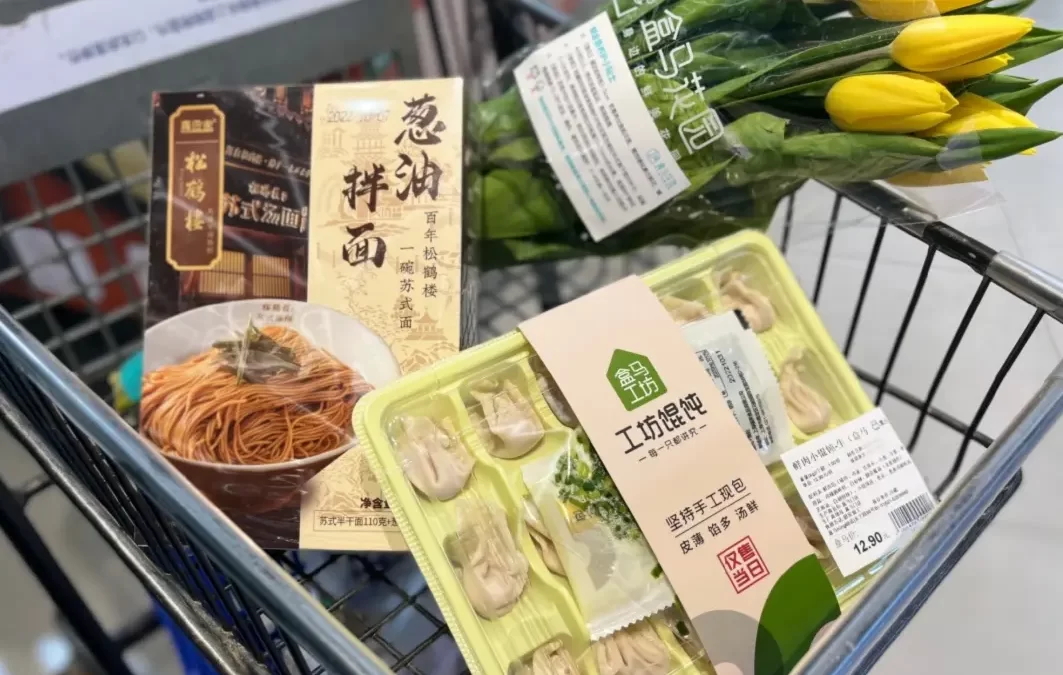
Private labels in China were once seen as practical substitutes. Cheaper, functional, acceptable when budgets were tight, but rarely aspirational. That perception is now changing in a meaningful way. Recent Hub of China research across Shanghai, Shenzhen, and Suzhou shows that consumers now choose private labels for more than just value. They select these products to express taste, control, and confidence, reflecting a growing shift in consumer attitudes and preferences. The growing success of private labels shows how quickly consumer attitudes are evolving.
Consumers see this shift most clearly during seasonal moments like Spring Festival, when symbolism and tradition once dominated shopping. Red packaging, familiar brands, and safe choices defined the category. Today, younger consumers are deliberately moving away from that formula.
Table of Contents
Private labels are no longer about compromise
Design and individuality now matter more than tradition
Health and simplicity are part of the appeal
What does this mean for brands and retailers?
Private labels are no longer about compromise
In our focus groups with consumers aged 25 to 40, participants often described private labels as smarter choices rather than cheaper ones. Participants spoke about feeling more in control when buying retailer brands. One respondent in Shenzhen said buying private label feels like choosing with my own judgement rather than following advertising.
This mindset reflects a broader decline in automatic brand authority. Consumers no longer assume that national brands guarantee quality. Many actively believe that retailers can offer equal or better products because they sit closer to manufacturing, consumer understanding, and feedback.
Private labels benefit from this shift in trust because consumers see them as less inflated, less performative, and more honest. Clean design and clear positioning help these products feel modern instead of secondary. Across different categories, shoppers now view private labels as confident and intelligent choices.
Design and individuality now matter more than tradition
Seasonal gifting has become a testing ground for this trend. Younger consumers told us they are tired of repetitive festival aesthetics. They want products that feel personal rather than symbolic.
Private labels have an advantage here because they are not bound by legacy codes. They can experiment with colour, humour, unexpected flavours, and niche collaborations. In our research, products that felt playful or surprising performed better than those that leaned heavily on tradition.
This does not mean culture is being abandoned. It is being reinterpreted. Mahjong-themed snacks, unconventional flavour pairings, and limited edition designs are popular because they acknowledge tradition without copying it directly.
Health and simplicity are part of the appeal
Another reason private labels are gaining ground is perceived transparency. Consumers associate retailer brands with simpler ingredient lists and fewer exaggerated claims. Health positioning does not need to be loud. It needs to be believable.
Participants repeatedly said they felt less pressured when buying private labels. There is no need to justify the purchase socially. That emotional ease matters, especially as consumers become more selective about where they spend attention as well as money. This emotional comfort is becoming a defining strength of private labels.
What does this mean for brands and retailers?
For retailers, private labels are no longer defensive tools. They are growth engines and brand builders in their own right. The most successful examples treat private label ranges as curated portfolios rather than generic alternatives.
For national and international brands, the challenge is clear. Competing purely on brand recognition is no longer enough. Consumers are asking sharper questions about relevance, price logic, and differentiation.
Hub of China research suggests that the rise of private labels is not driven by economic anxiety alone. It reflects a deeper confidence among Chinese consumers in their own judgment. Choosing a private label is increasingly a signal that the buyer knows what they want and does not need external validation.
Final thought
Private labels in China are moving from the margins to the centre of everyday consumption. They are not replacing brands entirely, but they are reshaping the rules of trust and value. For companies watching this space, the lesson is simple: in China today, authority is earned quietly, not assumed. The continued evolution of private labels will play a central role in defining the future of retail and consumer culture. Contact us today to learn more or discuss opportunities.
FAQs
- What are private labels in China?
Private labels are retailer-owned brands that offer alternatives to national and international brands, often focusing on value, design, and transparency. - Why are private labels becoming popular in China?
They are gaining popularity because consumers now see them as smarter, more trustworthy, and more authentic choices rather than just cheaper substitutes. - How are younger consumers influencing private labels?
Younger shoppers prefer individuality, creativity, and modern design, which private labels can deliver more flexibly than traditional brands. - Do private labels compete with national brands?
Yes, increasingly so. Consumers are no longer relying solely on brand names and are evaluating products based on quality and relevance instead. - What is driving trust in private labels in China?
Perceived transparency, simpler ingredients, better design, and closer connections between retailers and consumers are key factors in building trust.