
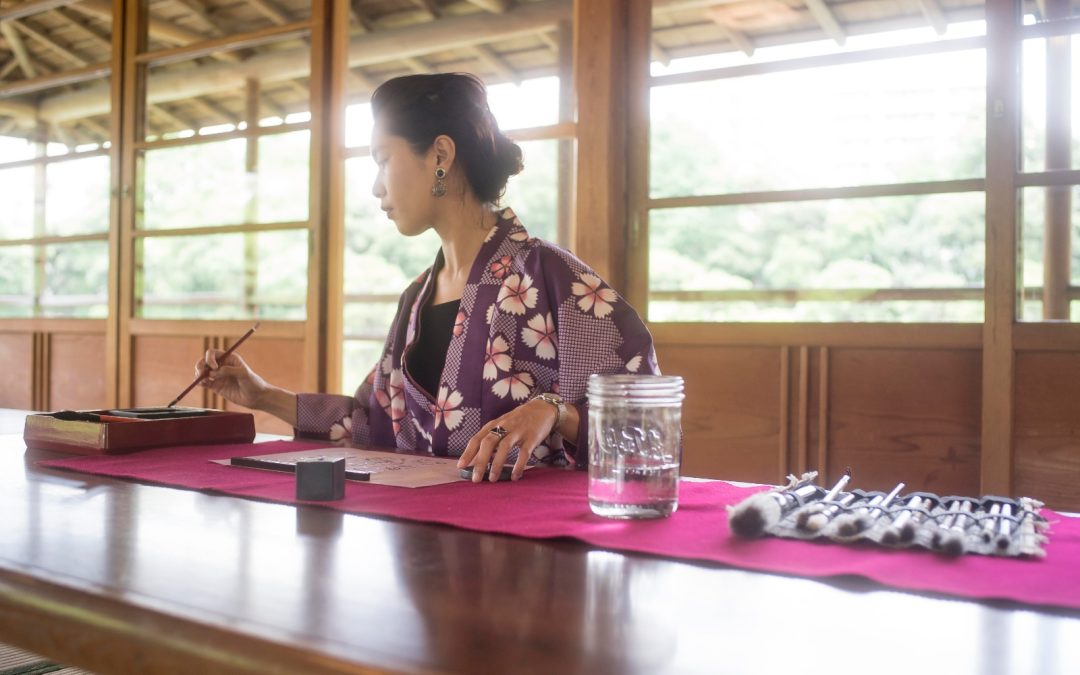
The era of “conspicuous consumption” in China has officially been replaced by something far more internal. If 2024 was about “meaningful value” and 2025 saw the rise of “outdoor social circles,” then 2026 is the year of Quiet Vitality (内生活力), a movement now widely recognized as Quiet Vitality China.
This isn’t just about going to the gym. It is a structural shift where Chinese consumers are reframing luxury, leisure, and even their daily diet through the lens of holistic longevity. In a market once defined by “996” work cultures and status-seeking, the new ultimate flex is physical and mental resilience.
Table of Contents
- The Data: A New Definition of Wealth
- Understanding “Quiet Vitality”
- Functional Everything
- The Rise of “Micro-Restoration”
- Community-Led Fitness (The “Third Space”)
- What This Means for Brands?
- The Bottom Line
- FAQs
The Data: A New Definition of Wealth
At Hub of China (HoC), we recently conducted a comprehensive market research study across Tier 1 to Tier 3 cities, surveying 4,500 active consumers aged 22–45. The findings signal a sharp departure from traditional retail motivations:
- From Status to Self-Care: 72% of respondents stated they would prioritize spending on “longevity-boosting” products (organic supplements, functional foods, wellness tech) over traditional designer accessories in 2026.
- The “Third Space” Evolution: 68% of Gen Z consumers now view sports clubs specifically niche communities like night cycling, “no-drop” running groups, and social yoga, as their primary “third space,” replacing traditional cafes or bars.
- Transparency is Non-Negotiable: 81% of participants indicated they “actively verify” the scientific claims of wellness products via social platforms like Xiaohongshu before purchasing, showing a high level of skepticism toward vague marketing.
Understanding “Quiet Vitality”
This trend is driven by a desire for control in an uncertain economic climate. When external markers of success feel more difficult to reach, the Chinese consumer turns inward. The broader movement of Quiet Vitality China reflects how wellness, balance, and longevity are becoming the new indicators of status and success.
We are seeing this manifest in three distinct ways:
Functional Everything
The line between food and medicine has blurred. “Stay-up-late” water (herbal tonics) and stress-relief snacks are no longer novelties; they are staples.
In 2026, the trend has evolved into precision nutrition. Based on recent consumer research, consumers are using wearable tech to track micro-deficiencies and purchasing hyper-personalized supplements tailored to their specific biometrics.
The Rise of “Micro-Restoration”
Instead of waiting for a Golden Week holiday, the 2026 consumer practices “Micro-Restoration.” This includes short, intense wellness bursts: 15-minute guided meditation apps integrated into office software, or “healing” scents in retail environments.
Brands that can offer a momentary escape from the high-pressure urban environment are winning the loyalty battle. This shift has become a defining behavior within the Quiet Vitality China lifestyle trend.
Community-Led Fitness (The “Third Space”)
Sport has become a form of curated self-expression marketing. It’s no longer just about the workout; it’s about the outfit, the route, and the WeChat group of 500 people you ride with at 10 PM.
Brands like Anta and Lululemon are no longer just selling gear—they are providing the “infrastructure” for these communities to exist.
What This Means for Brands?
To succeed in China’s 2026 luxury landscape, the “Old School” luxury playbook featuring heavy logos and celebrity-only endorsements will fail. Instead, brands must:
- Lead with Science, Not Hype: Provide “evidence-based” narratives. If your product improves well-being, clearly show the data and ingredients.
- Invest in “Third Space.” Infrastructure: Don’t just open a store; open a “hub.” Create spaces where your target community can gather, whether for a post-run coffee or a wellness seminar.
- Adopt a “Quiet” Aesthetic: Move away from maximalism. The 2026 aesthetic is rooted in “New Chinese Style” (新中式) minimalist, high-quality materials that suggest a balanced, healthy lifestyle without shouting about it.
The Bottom Line:
The Chinese consumer of 2026 is more disciplined, more educated, and more health-conscious than ever before. They aren’t just buying a product; they are buying a better version of themselves, a mindset perfectly captured by the growing influence of Quiet Vitality China. Contact us today to learn how your brand can align with emerging consumer trends in China.
FAQs
Q1. What is Quiet Vitality in China?
“Quiet vitality” is a lifestyle trend in China focused on wellness, longevity, and balanced living, rather than flashy luxury or status-driven consumption.
Q2. Why is wellness becoming a social currency in China?
Chinese consumers increasingly view health, mental balance, and longevity as symbols of success and personal achievement.
Q3. What are examples of Quiet Vitality lifestyle habits?
Examples include functional foods, wearable health tracking, meditation apps, community fitness groups, and personalized supplements.
Q4. How are brands responding to the Quiet Vitality trend?
Brands are focusing on science-backed wellness products, community-based experiences, and minimalist aesthetics that align with health-conscious lifestyles.
Q5. Which consumers are driving the Quiet Vitality movement?
Gen Z and younger Millennials in Tier 1–3 Chinese cities are leading the shift toward wellness-focused lifestyles.