
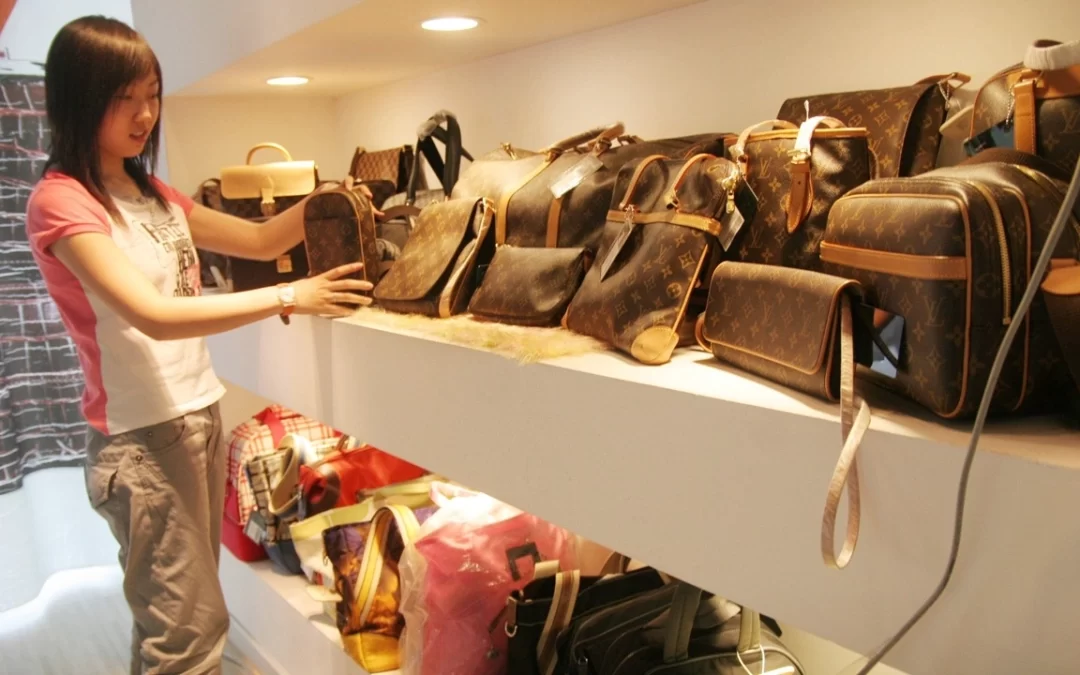
Chinese consumers, especially Millennials and Gen Z, are increasingly buying pre-owned luxury goods for luxury consumption instead of always buying new. This shift reflects tighter budgets, changing attitudes toward status, and growing environmental awareness. Recent market research shows that this trend is reshaping the way people view luxury. The Washington Post + Vogue Business
Key drivers
1. Economic pressures
As economic growth slows and the cost of living rises, many households are less willing to spend large amounts on brand new luxury items. High-cost purchases are being postponed or avoided. According to market analysis, consumers are prioritizing smarter spending over showy new goods. The Times of India + EMARKETER
2. Status redefined
Traditional markers of status (“new, flashy”) are being questioned. Luxury is increasingly about craftsmanship, heritage, or uniqueness rather than visible wealth displays. Consumers are still interested in prestige, but in ways that feel more personal or meaningful. This shift is supported by insights from China market research. Vogue Business + Jing Daily
3. Digital and social validation
Platforms for second-hand luxury consumption in China are improving: better authentication services, curated collections, social media endorsement, and influencer content all improve trust. Apps and marketplaces are making discovery and purchase easier, and digital marketing plays a big role in influencing younger buyers. The Washington Post + Business Insider
4. Environmental & cultural values
Sustainability is climbing in importance. Buying second-hand can feel more responsible. At the same time, younger consumers are aligning purchases with values like reduced waste and ethical production. The Washington Post
Sector impact
- Fashion & accessories: Handbags, watches, and designer clothing are commonly traded in second-hand markets. The Washington Post
- Luxury goods resale platforms: Apps and online marketplaces facilitating secondhand luxury consumption in China are seeing strong growth. This has become a vital part of ongoing luxury market analysis in China. The Washington Post
- Brand strategies: Some luxury brands are engaging with the resale trend, for example, by offering certified resale programs or collaborating with marketplaces to refurbish or resell goods. Strong marketing strategies are required to highlight authenticity and value.
Challenges & limitations
- Trust issues: Authenticity, condition, and provenance remain concerns for many buyers. Fear of counterfeit items or misleading descriptions still holds back some consumers.
- Cultural stigma: For older generations, there remains a bias against “used items,” especially in high-prestige categories. The Washington Post
- Regulation & platform quality: Marketplace regulation, quality assurance, and returns policies are still less mature than for new goods.
- Margin compression: Sellers of second-hand luxury often face lower margins or higher costs (for authentication, logistics, and refurbishment), which can influence pricing and availability.
What brands need to do
- Establish authenticity and trust through certification, transparent condition grading, and clear return policies.
- Offer value-for-money propositions: pricing that reflects both the luxury cachet and the used condition.
- Align marketing with values: sustainability stories, emotional connection, and craftsmanship rather than just prestige.
- Use social commerce and influencer channels that speak to younger buyers; peer-to-peer recommendation matters.
- Depend on detailed market research and continuous market analysis to track shifting preferences and adapt brand strategies effectively.
Want to understand Chinese consumer behavior and the booming luxury resale market? Partner with experts in China market research to grow your brand with confidence.
Frequently Asked Questions
- Why is second-hand luxury consumption in China growing?
It’s driven by economic pressures, sustainability values, and younger consumers redefining luxury status. - What platforms support pre-owned luxury goods in China?
Apps and luxury goods resale platforms like online marketplaces and curated services are leading the growth. - How do Chinese consumer trends influence luxury resale?
Trends like digital validation, sustainability, and Gen Z shopping habits are reshaping the luxury resale market. - What challenges do brands face in China’s second-hand luxury market?
Trust, authenticity, cultural stigma, and regulation remain key challenges for both buyers and sellers. - How can market research in China help brands enter the resale market?
It provides insights into Chinese consumer trends, helping brands tailor pricing, marketing, and authenticity strategies.