
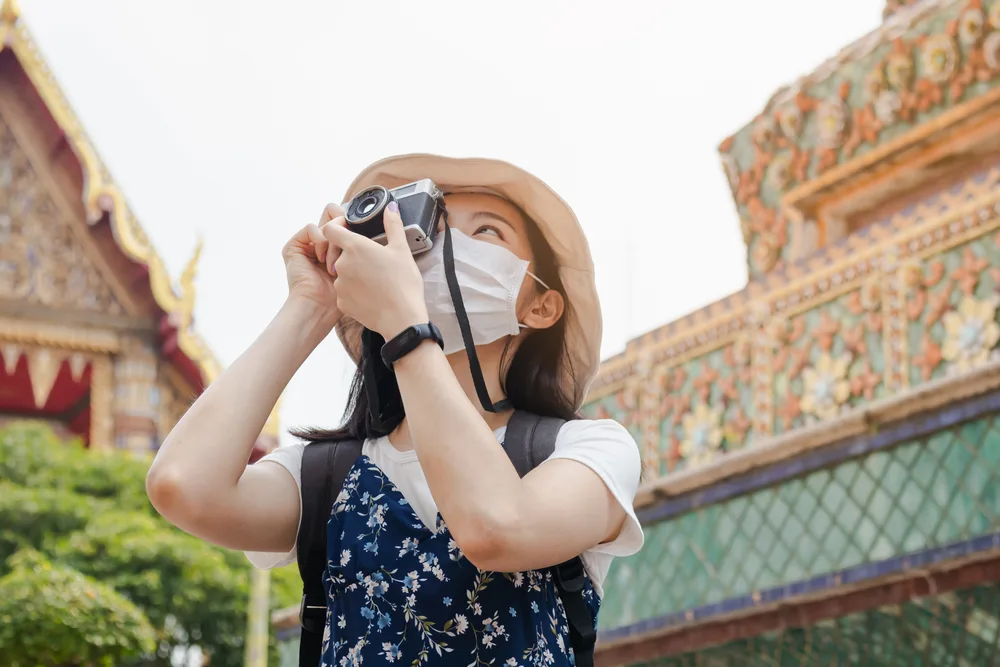
In 2025, Travel as Emotional Renewal has become a new mindset for many Chinese travellers. People are no longer just checking off destinations from a list; they’re looking for experiences that make them feel something deeper. Research from the Hub of China shows that holidays are now seen as a form of healing, recovery from daily stress, and a chance to reconnect with culture and loved ones.
More travellers are seeking emotional balance through travel. It means turning trips into personal journeys of peace, reflection, and shared memories instead of simple sightseeing.
Table of Contents
Shaping Forces Behind the Trend
The Mood of the Market
In 2025, Chinese travellers are changing the way they see leisure. Instead of rushing to famous landmarks, they now want trips that make them feel peaceful and connected. Vacations are becoming a time to relax, recover from daily pressure, and spend meaningful moments with family or culture. People are choosing experiences that refresh the heart as much as the body.
Shaping Forces Behind the Trend
Several key factors drive the shift toward Travel. Rising stress in urban life is one of them. Young professionals say even a short break “feels like breathing again.” Smaller, more frequent trips are becoming more valuable than long, expensive ones.
Another force is growing cultural pride. Travellers are choosing destinations within China that connect them to their roots, from tea-growing hills to ancient heritage towns. At the same time, economic caution encourages people to seek trips that feel meaningful and emotionally rich, not just luxurious or prestigious.
New Behaviours Emerging
This emotional approach to travel is changing behaviour. Weekend getaways and countryside escapes are becoming popular, especially in areas accessible by high-speed rail. Families are booking trips that build closeness, like cooking classes, cultural tours, and workshops.
Many young travellers describe Travel as Meaningful journeys through solo adventures. They see solo travel as self-care, a way to recharge privately and emotionally. On social media platforms like Xiaohongshu, people now share how trips make them feel, rather than only what they see.
Implications for the Industry
The rise of Travel as Emotional Renewal means travel companies and destinations must rethink what they offer. It’s not just about attractions anymore; it’s about emotional design.
Hotels and resorts that create spaces for peace, bonding, or reflection are standing out. Storytelling rooted in culture helps travellers feel connected to something real. Transparency and trust are key, too, because when travel touches emotions, disappointment hits harder if the experience feels false.
Points of Caution
While emotional travel is rising, there are risks. Too much commercialization can harm authenticity. Many younger tourists now avoid places that feel built just for social media rather than a genuine cultural experience.
Also, rising travel costs can create tension between emotional renewal and financial limits. The challenge for providers is to balance meaningful travel with affordability, making Travel as Emotional Healing accessible to everyone, not just the wealthy.
Looking Ahead
Looking to 2026, Travel as Emotional Renewal will continue shaping the Chinese travel market. Research predicts growth in three key categories: short restorative breaks, family-bonding holidays, and deeply cultural trips.
The real success for travel brands will come from recognizing that travel is not just movement, it’s emotional healing. When journeys feel authentic and meaningful, Chinese consumers are more willing to invest their time and money.
For more insights or partnership opportunities, visit the Hub of China or contact their team for the latest travel and consumer research updates.
FAQs
- What does “Travel as Emotional Renewal” mean?
It means using travel as a way to refresh your emotions, reduce stress, and reconnect with yourself and others. It’s travel that heals rather than just entertains. - Why is this trend growing in China?
Because life in cities is stressful, and people want trips that bring peace and meaning. This kind of travel helps them recharge emotionally and reconnect with their culture. - How are young travellers responding to this trend?
Young travellers prefer shorter, mindful trips like cultural workshops or solo retreats that make them feel balanced and inspired. - What should travel companies do?
They should focus on authentic experiences, emotional design, and storytelling that connect travellers to local culture and real moments of peace. - Will this trend continue beyond 2025?
Yes, Experts predict that this emotional travel trend will grow even more, shaping tourism in 2026 and beyond as people seek deeper emotional satisfaction in their journeys.